


CBT Treatment for Kids, Teens, and Young Adults
In-network with major insurers.
*We do not currently accept Medicaid.






What is CBT?
CBT is a practical, skills-based type of therapy and one of the most widely researched, effective treatments for anxiety and OCD.
It’s built on a simple idea: our thoughts, feelings, and behaviors are all connected, so by changing how we think and what we do, we can change how we feel. At InStride, young people learn concrete skills to respond to their thoughts and behaviors in new ways.

CBT looks at three connected parts of our experience:
- Thoughts (what runs through our minds)
- Feelings (the emotions and physical sensations we notice)
- Behaviors (what we do in response)
Small shifts in one can change the whole pattern.
CBT offers two main ways to respond:
- Behavioral strategies (focus on what we do, like facing fears gradually instead of avoiding them)
- Cognitive strategies (focus on our thoughts, like practicing more balanced and flexible thinking)
Most young people at InStride learn both.
CBT can be adapted for nearly any age, from young children through adults, with the approach tailored to a person’s developmental stage.
Organizations like the National Institute of Mental Health recognize it as an effective, evidence-based treatment.
What Does CBT Help Treat?
Anxiety Disorders
- Generalized Anxiety Disorder (GAD)
- Panic Attacks and Panic Disorder
- Social Anxiety
- Separation Anxiety
- Selective Mutism
- Health Anxiety
OCD and Related Disorders
- Obsessive-Compulsive Disorder (OCD)
- Body Dysmorphic Disorder
- Hair Pulling (Trichotillomania)
- Skin Picking (Excoriation)
- Tic Disorders
Related Conditions
- Perfectionism
- Academic Stress
- School Avoidance
- Depression
How CBT Works in Practice
At InStride, CBT gives young people a clear set of concepts and skills to understand their anxiety or OCD, and change the patterns that keep it going. Once they see how their thoughts, feelings, and behaviors connect, our care team teaches new ways to respond.
Behavioral Strategies
Focus on what a young person does:
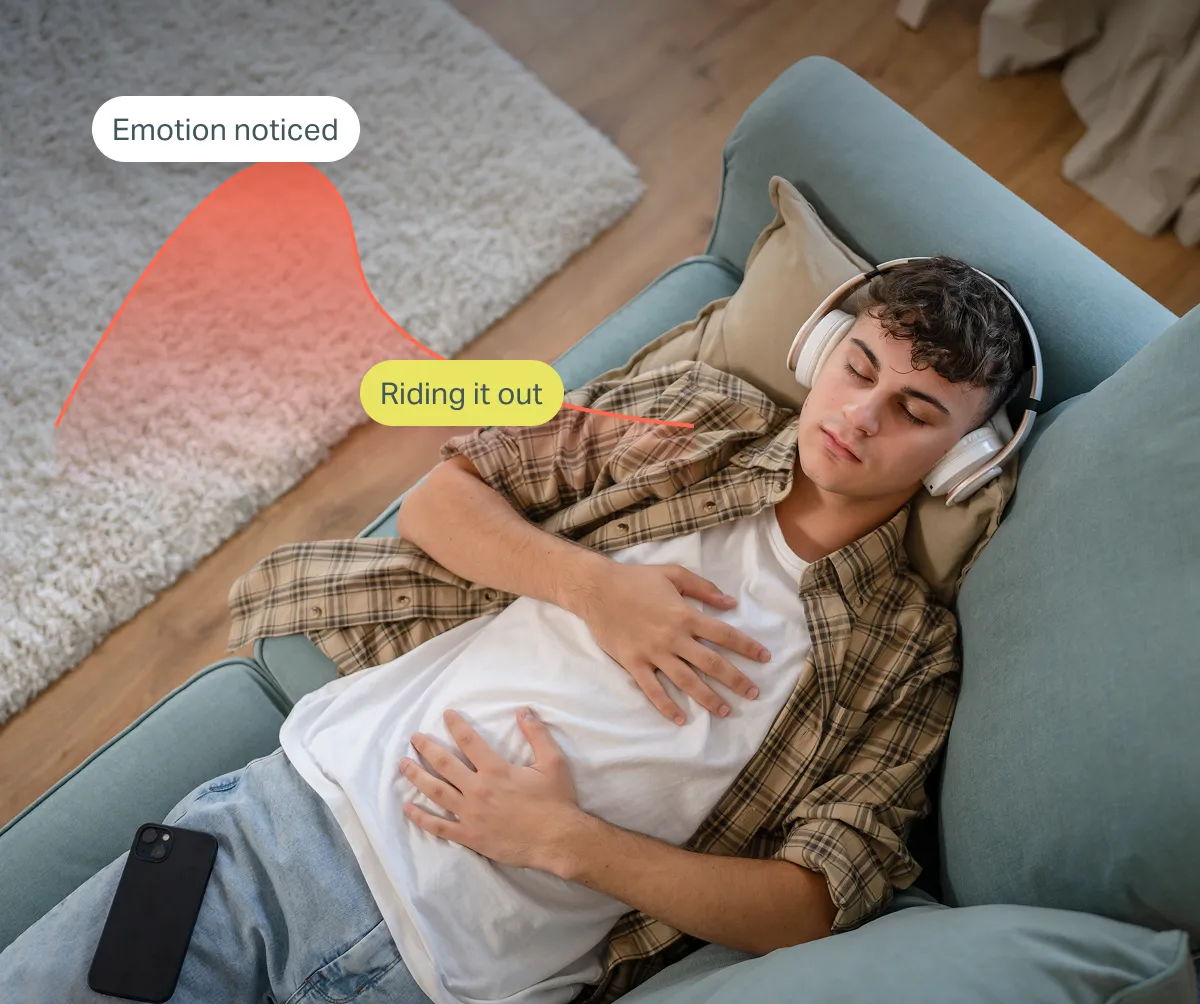
- Notice and name urges that come with anxiety or OCD, like avoidance, compulsions, or safety behaviors
- Face fears gradually through exposure
- Resist engaging in compulsions or safety behaviors
- Learn that they can handle discomfort, and that feared outcomes are less likely than they seem

Cognitive Strategies
Focus on how a young person relates to the thoughts:
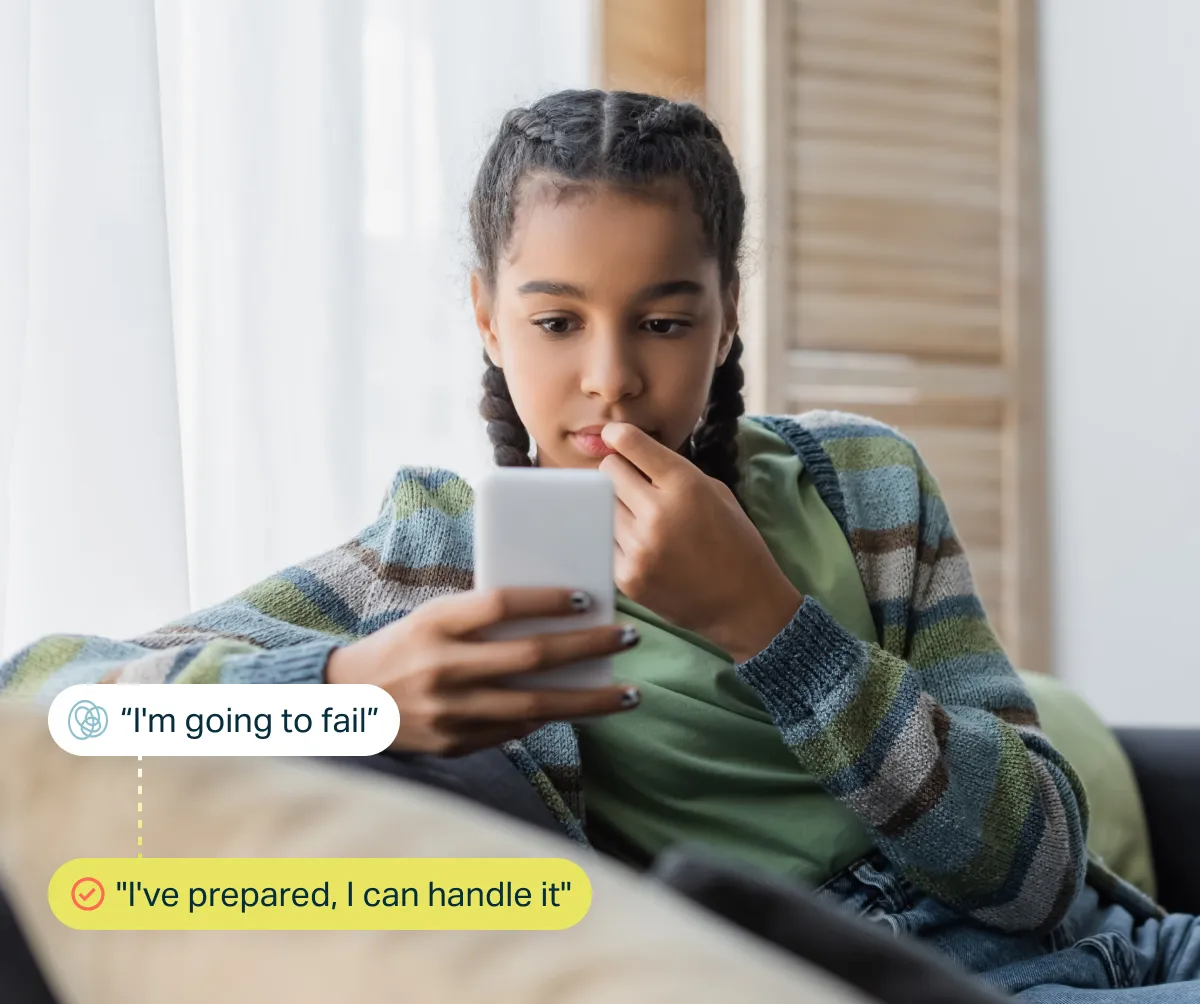
- Notice and name unhelpful thoughts
- Use evidence to evaluate worry thoughts
- Shift unhelpful or inaccurate thoughts
- Build more flexible, balanced ways of seeing situations
Third-Wave CBT (ACT & DBT)
- Acceptance and Commitment Therapy (ACT) helps young people allow uncomfortable thoughts and feelings, unhook from unhelpful thoughts, and take actions that move them toward what they value.
- Dialectical Behavior Therapy (DBT) teaches skills for managing intense emotions and handling difficult situations safely, using mindfulness, distress tolerance, emotion regulation, and interpersonal effectiveness.
How InStride Can Help
A Dedicated 3-Person Care Team
Every young person is paired with a therapist, an exposure coach, and a psychiatrist who work together as one team.
Support for the Whole Family
Parents and caregivers join a skills group to learn CBT strategies to support progress, followed by a practice group for discussion, problem-solving, and applying what they have learned, such as when to step in and when to step back.
Care that Starts Quickly
With no waitlist and a response to your inquiry within 24 hours, young people can begin building the skills and habits to live the life they want, sooner.

How to Find Effective CBT Treatment
Finding the right CBT provider is an important step in helping a young person with anxiety or OCD make lasting progress. CBT for anxiety and OCD is active, structured, and skills-based. Here is what to look for.

What to Look For in a Provider
.svg)

What to Ask a Possible Provider
Lasting Change Through CBT
Hear from young people and families who used CBT to build skills for managing anxiety, OCD, and related disorders, and see the difference it made in daily life.


.webp)
Frequently Asked Questions
What are some examples of CBT techniques for kids?

CBT helps kids develop practical, evidence-based skills to manage anxiety and OCD. Common techniques that we use at InStride include learning about anxiety and OCD, noticing and changing unhelpful thoughts, and practicing exposures by gradually facing fears instead of avoiding them.
How does CBT help you change unhelpful thoughts?
CBT helps people notice unhelpful ways of thinking and learn to look at situations from a more balanced and flexible perspective. Instead of automatically believing an anxious thought, people learn to consider other ways of thinking that may be more accurate and helpful.
What is exposure in CBT?
Exposure is a CBT technique that helps people gradually face things that make them anxious instead of avoiding them. With practice, people learn that what they fear may be less likely or less scary than they expect, and that they can handle anxiety and discomfort better than they thought.
Can CBT help with anxiety and OCD in autistic youth?
Yes. When anxiety or OCD is present alongside autism, CBT can be adapted to support an autistic young person, and InStride treats anxiety and OCD when they are primary. For more on this, read CBT for autistic youth: what parents should know.
How is CBT different from other types of therapy?
CBT is active, structured, and skills-based. Rather than focusing mainly on talking through the past, CBT helps young people understand how their thoughts, feelings, and behaviors connect and learn specific skills to respond differently, then practice those skills in daily life. For anxiety and OCD, that includes facing fears through exposure, which research consistently shows is one of the most effective approaches.
Therapy has been tried before and it didn't work. Why would this be different?
InStride’s program brings together a dedicated therapist, exposure coach, and psychiatrist working as one coordinated care team. This integrated approach helps young people build and practice the skills they need to manage anxiety in their daily lives.
Is treatment fully virtual?
Yes, and that's by design. Virtual care means your coach can guide you through real-world practice exactly where anxiety and OCD show up: at school, in a restaurant, at the grocery store. It also means no commute and easier scheduling around school and work.